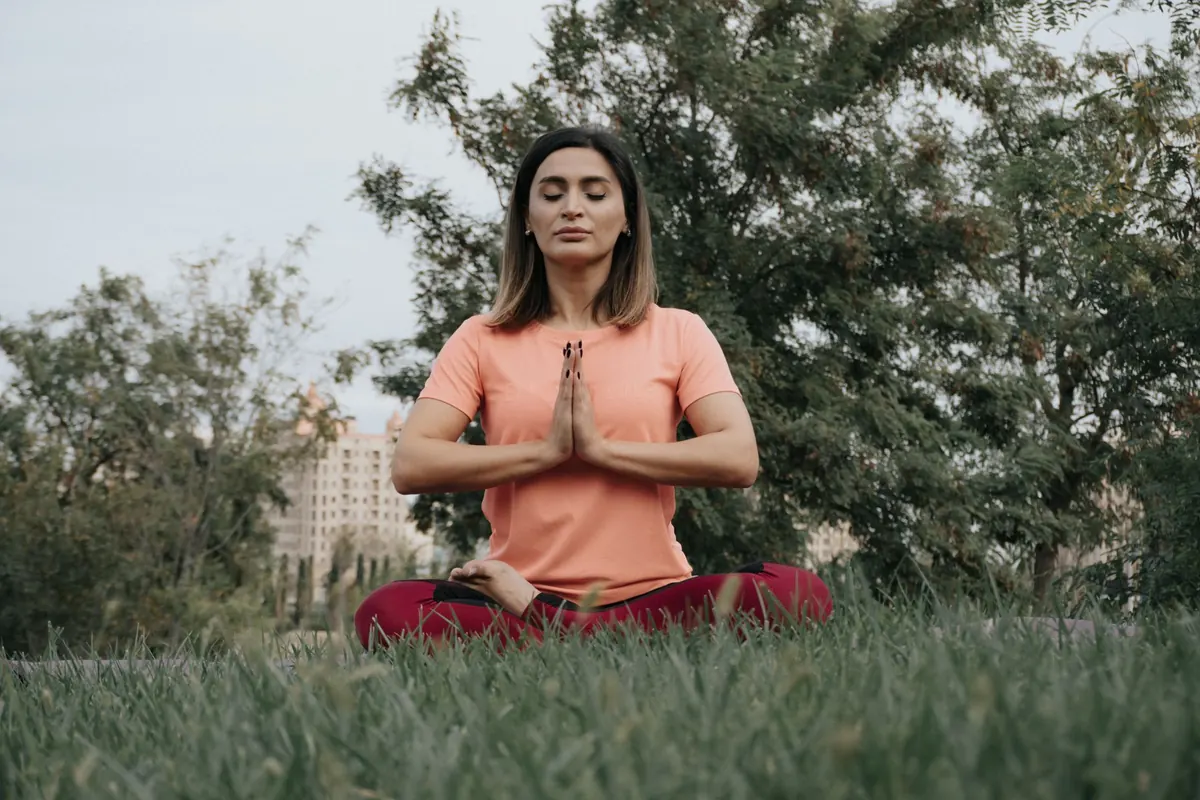
Wellness retreats have a reputation for being expensive, and plenty of them are. But the range is wider than the headline prices suggest: a day of guided practice with lunch can cost less than a decent dinner out, while a week of residential teaching, treatments and chef-cooked food can run into four figures. The useful skill isn't haggling. It's knowing which parts of the price you actually want, and which you can drop without losing the thing you came for.
What the price tag is actually made of
Two retreats can look almost identical online and differ by several hundred pounds. Usually the gap sits in a handful of places.
- Format and length. A day retreat, a one-night stay and a five-night residential are different products. The longer ones include more teaching, more food and more staff time.
- Room type. A shared twin is nearly always the cheapest bed. A single en-suite room with a view is the most expensive, and the supplement can be steep.
- Group size. Small groups mean more individual attention, and a higher cost per person. Twelve people sharing a teacher is cheaper than six.
- Food. A chef cooking fresh, largely organic meals costs more to run than a buffet of soups, salads and bread. Both can be nourishing.
- Included sessions. Some prices cover everything on the timetable. Others advertise a low rate and charge separately for massage, one-to-ones or excursions.
- Location and season. Remote venues with high running costs and short seasons charge more. So do places within an easy train ride of London or a city.
It helps to convert the headline price into a cost per night or per session, travel included. A weekend that looks indulgent may work out cheaper per hour than three drop-in classes, a hotel and a series of takeaway meals. The comparison isn't retreat versus nothing. It's retreat versus whatever you'd otherwise spend to get the same rest.
Timing is the easiest saving you'll make
Venues price by demand, not by quality, so the same room can cost noticeably less depending on the dates. A Tuesday-to-Thursday stay is often cheaper than a Friday-to-Sunday one, and midweek groups tend to be smaller and quieter. If you can take a day or two of annual leave, that's frequently where the biggest saving sits.
Season matters just as much. Early spring, late autumn and the weeks either side of the school holidays are usually calmer and better value. January is heavily marketed, and the first weeks of the year are often priced accordingly; late January and February can be kinder to your budget. If you're tied to school holidays, book as early as you can rather than waiting.
Last-minute places are worth asking about. Join the venue's mailing list, follow them, and tell them you're flexible on dates. A retreat with one bed left will often prefer to fill it at a reduced rate than leave it empty, but that offer is rarely advertised. Don't rely on it if you need to book travel or time off in advance.
The extras that catch people out
Retreat prices are usually quoted "from", which means the cheapest room in the cheapest week. Before you commit, check what sits outside the number on the website:
- Travel to a rural venue, including the last few miles by taxi, which is often the most expensive part of the journey
- Single supplements, if you'd rather not share
- Treatments, coaching sessions or excursions listed as optional
- Kit you'll need to bring or hire: mats, props, walking boots, swimwear, waterproofs
- Specialist food for allergies or particular diets, which some kitchens charge extra for
- Insurance, especially for a longer stay or an existing health condition
- Discretionary tips, parking and any spa extras
- Non-refundable deposits and amendment fees
Ask for a full written quote covering everything you plan to do, then compare it with the next option on your list. It's a fairer comparison than two "from" prices side by side.
Payment plans, deposits and the questions worth asking
Many UK venues will accept a deposit followed by instalments, particularly for residential retreats booked months ahead. It rarely appears on the booking page, so ask. Deposits are usually non-refundable, and the balance is typically due a few weeks before you arrive.
Where you can, pay by credit card. Purchases over £100 are generally covered by Section 75 of the Consumer Credit Act, which can help if a company stops trading. Debit cards offer a weaker voluntary scheme, and bank transfers offer very little. If you're borrowing to fund a retreat, or spending money you'll need for bills, speak to an independent financial adviser before you book.
Ask these questions in writing before you pay anything:
- Is the price per person, and does it include VAT?
- Exactly which sessions, meals and treatments are included?
- What's the deposit, when is the balance due, and are instalments possible?
- What happens if I cancel, and what happens if you cancel?
- Can I transfer my place to a friend, or move to another date?
Cheaper ways to get the same benefit
A retreat is really a structure: time away, someone to guide you, food you don't have to think about, and a break from your usual routine. You can assemble those pieces yourself for less. Day retreats are the obvious starting point — a studio workshop with lunch included can give you a genuine reset without the accommodation bill. A single night away often delivers more of a break than people expect.
You can also build your own:
- Book two nights somewhere quiet and inexpensive, ideally within an hour of home.
- Plan three practices and one long walk, and write them into a simple timetable.
- Cook or buy food in advance so nobody's deciding what to eat at eight in the evening.
- Put your phone in a drawer, and tell people you'll be unavailable.
- Spend the money you've saved on one thing you'd truly value, such as a private session with a teacher you trust.
Sharing helps too. Split a cottage with two or three friends, take turns cooking, and ask a local teacher whether they'd run a small session for your group; many will quote for a private class. Some venues also offer reduced places in exchange for help with setting up, cooking or clearing — it's worth asking directly, and being clear about what you can offer.
If you're booking a retreat to help with a specific health condition, check the facilitator's qualifications and speak to your GP or a qualified practitioner before changing your diet, medication or exercise routine.
Before you book: a short checklist
- Set a total budget, including travel, extras and a small buffer.
- Decide your one non-negotiable — a single room, a particular teacher, a longer stay — and be flexible on everything else.
- Compare off-peak dates before you compare venues.
- Get inclusions and cancellation terms in writing.
- Ask about instalments, even if they aren't advertised.
- Set a spending cap for on-site extras, and leave the card in your room.
Do that, and a retreat stops being a splurge you feel guilty about and becomes a planned expense you can actually enjoy.
Photo: kaboompics / Pixabay