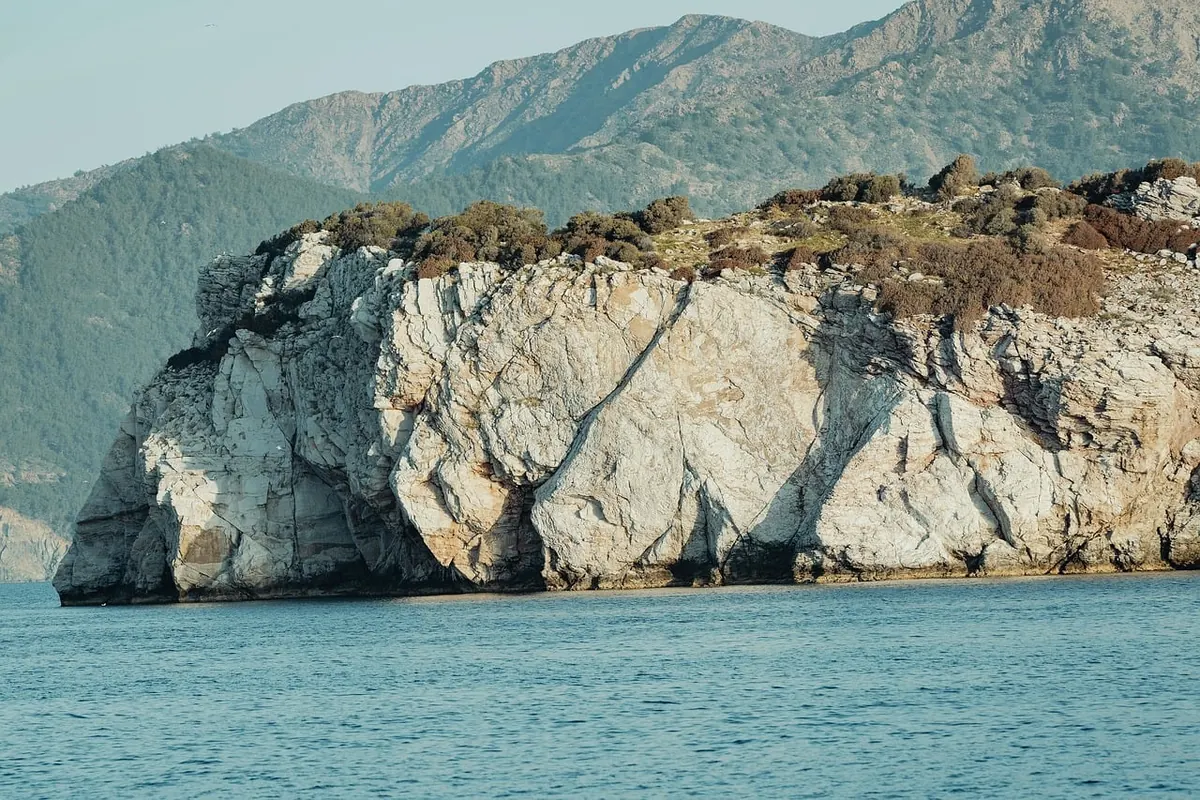
The Lake District is small on a map and enormous on the ground. An hour's drive takes you from a lakeside town with coffee queues and boat hire to a valley where the only sounds are sheep, running water and your own boots on gravel. That range is what makes the area so well suited to a proper rest.
Retreats here work with what the landscape already offers: quiet, weather, walking and early nights. Some are fully structured, with a timetable of movement and meditation. Others hand you a key, a map and a wood-burning stove. This guide covers the main styles, the quietest corners, what you might do all day, and the practical details that catch people out.
What a Lake District retreat actually looks like
There is no single template. Most places fall into one of four shapes.
Structured group retreats
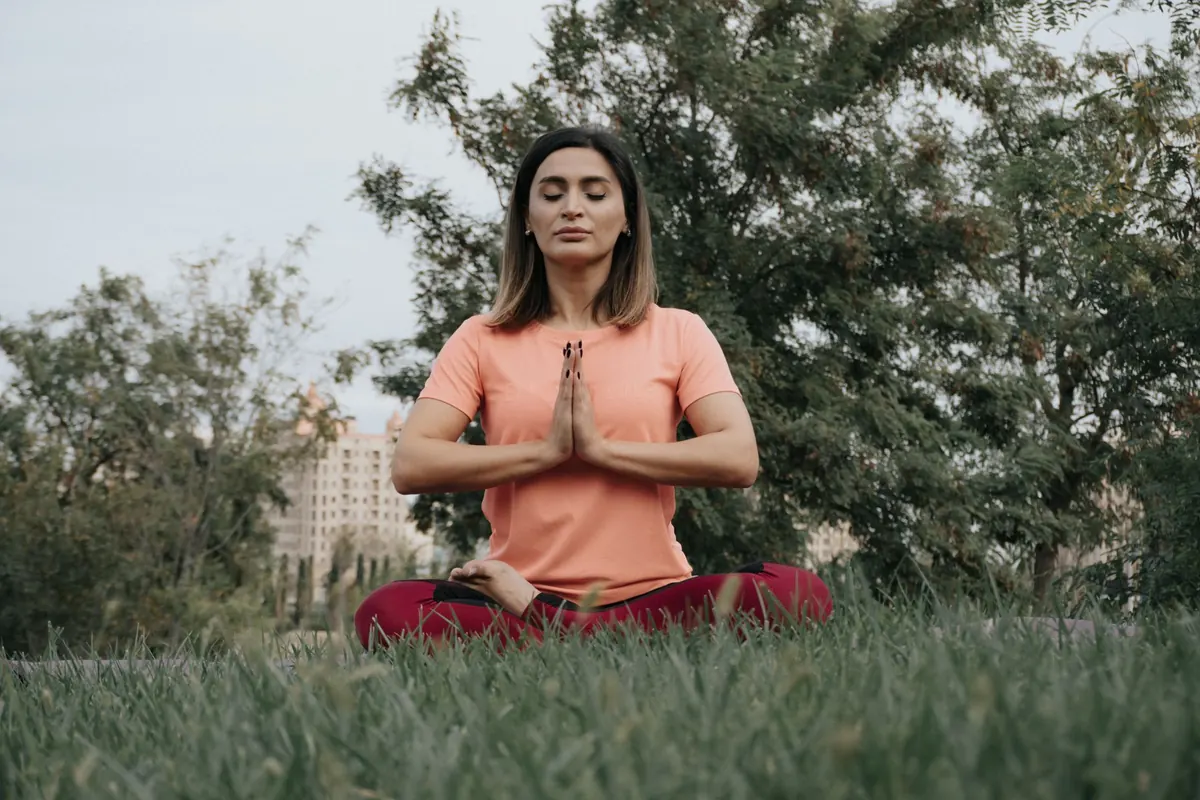
Yoga, meditation and breathwork programmes, usually running from Friday evening to Sunday afternoon, or across five midweek days. Expect a converted farmhouse or country house, a studio space, shared or single rooms, and meals cooked for you. Ask two questions before booking: how many people will be in the group, and how much of the day is scheduled. A retreat with classes from 7am to 9pm is not restful if what you need is sleep.
Two variations are worth knowing about. Some are silent retreats, where talking is discouraged for the whole stay, which sounds daunting and often turns out to be the most restful week of the year. Others are seasonal, built around a specific thing — a solstice, a dark-skies weekend, a foraging course — and these fill up earliest.
Walking and fell-based retreats
These use the fells as the main event, often with a guide. Days might be gentle valley routes or longer rounds with a few hundred metres of ascent, sometimes paired with a sauna or a cold dip. Be honest about your fitness when you book, and ask what the plan is if the weather turns; a good provider will have a low-level alternative ready.
The best of them teach something as well: navigation, mountain weather, or how to read a landscape. You come home tired in the legs and quieter in the head, which is rather the point.
Solo and self-guided stays
A cabin, shepherd's hut or converted barn, often with nobody else around. You set the rhythm. Check heating, cooking facilities, distance to the nearest shop, and how remote the track really is. Some of these places are wonderfully isolated and genuinely awkward to reach without a car.
A useful rule of thumb: if the listing mentions a hot tub more often than it mentions the location, you are probably paying for the hot tub.
Creative and writing retreats
Usually a mix of quiet working time and optional feedback sessions. Good for anyone who finds an empty schedule difficult, because the day has a shape without being packed.
The Lakes suit this better than most places, partly because so much has already been written here. You can walk the same paths Wordsworth, Coleridge and Beatrix Potter walked, then go and write badly about them in peace.
Choosing a quiet corner
The Lakes has a busy half and a quiet half, and the difference matters more than any brochure suggests. Windermere, Bowness, Ambleside and Grasmere are the easiest to reach without a car, and the busiest. The western valleys are emptier, darker at night and further from everything.
- Windermere and Ambleside: trains, buses, cafés and choice. You will hear traffic.
- Grasmere and Rydal: handsome and walkable, but the village fills up at midday.
- Borrowdale and Buttermere: big scenery, quieter evenings, a seasonal valley bus.
- Wasdale and Eskdale: remote and dramatic, with single-track roads and patchy signal.
- Ennerdale and Loweswater: the quietest end of the national park. Few facilities, so plan food.
- Ullswater and Haweswater: a good middle ground — villages at the northern end, real emptiness once you head south along Haweswater's shore.
- Kentmere, Longsleddale and the eastern fells: overlooked, low-key and easy to reach from Kendal or Windermere.
Two things vary more than people expect: mobile signal and darkness. Some valleys have no reception at all, which can be a gift or a problem depending on whether anyone needs to reach you. And because parts of the national park are a designated dark sky area, night really is night here. Take a torch, and take it seriously.
What a day on retreat might look like
Timetables differ, but a well-designed day usually has a rhythm rather than a schedule. Something like this:
- Early: a short guided session, or a walk before breakfast while the valley is still in shadow.
- Morning: the longest block of the day. A fell walk, a class, or uninterrupted work if you are on a writing retreat.
- Lunch: proper food, eaten slowly.
- Afternoon: deliberately loose. A nap, a swim, a book, a second short walk, or a treatment if the place offers them.
- Early evening: a sauna, a bath, or a slow meal.
- Night: an early one. Most people sleep better here by the second night than they have in months.
If a programme has nothing loose in it, it is a course rather than a retreat. That is fine — just know which one you have booked.
The practical things that catch people out
Weather, and what to pack
It rains. Not constantly, and not always, but the weather changes faster here than almost anywhere in England. Pack for wet and cool even in July: waterproof jacket and trousers, boots with grip, a warm mid-layer, a hat. Retreat centres are often old buildings, so bring a jumper for indoors too.
Food and supplies
If meals are included, you are sorted. If not, work out where the nearest shop is before you arrive. In the remote valleys it can be twenty or thirty minutes' drive to a small village store with limited hours. Bring more than you think you need, plus coffee, because the nearest decent flat white may be a long way off.
Getting there and getting around
Trains reach Oxenholme, Penrith and Windermere, with buses connecting the main towns. Beyond that, a car helps enormously. Several retreats offer pickup from a station — ask, because it is often cheaper than a taxi and the driver will know exactly where the track turns off.
Phones, work and expectations
Check signal before you go and tell people at home that you may be unreachable. Half the benefit of these places is the gap between you and everything else; spending the week hunting for one bar of signal undoes it. Many retreats ask guests to leave laptops in their rooms, and most people are glad of it by Wednesday.
When to go
Each season does something different for a retreat.
- Spring: quieter trails, bluebells, changeable weather, lower prices.
- Early summer: long daylight, which makes evening walks easy and early nights harder.
- Late autumn: arguably the best of all — colour, mist, empty paths and a real excuse to stay indoors.
- Winter: the deepest quiet, and usually the cheapest. Some places close, some become dark-sky and log-fire retreats, and the fells demand more respect.
School holidays and bank holidays are busy everywhere, even in the valleys people call empty. Midweek in May or November is as close to a guarantee of peace as the Lakes offers.
How to choose well
Ask these before you pay a deposit:
- How many people will be there, and what is the room arrangement?
- What is scheduled, and what is optional?
- Is food included, and can they handle my dietary needs?
- What happens if the weather is bad?
- What is the cancellation policy, and is there a single supplement?
- Can I arrive by public transport, and how far is the nearest shop?
A good retreat will answer all of these cheerfully. A vague answer to the first two is usually a sign that the week will be either crowded or overfull.
You do not come back from the Lakes rested because you did a lot of yoga. You come back rested because for a few days nothing beeped, nobody needed anything, and the biggest decision of the afternoon was which path to take.
Pick the corner that matches the rest you need, pack for rain, and leave the laptop behind. The fells have been here a long time, and they will still be here next year.
Photo: Arturo_Anez / Pixabay