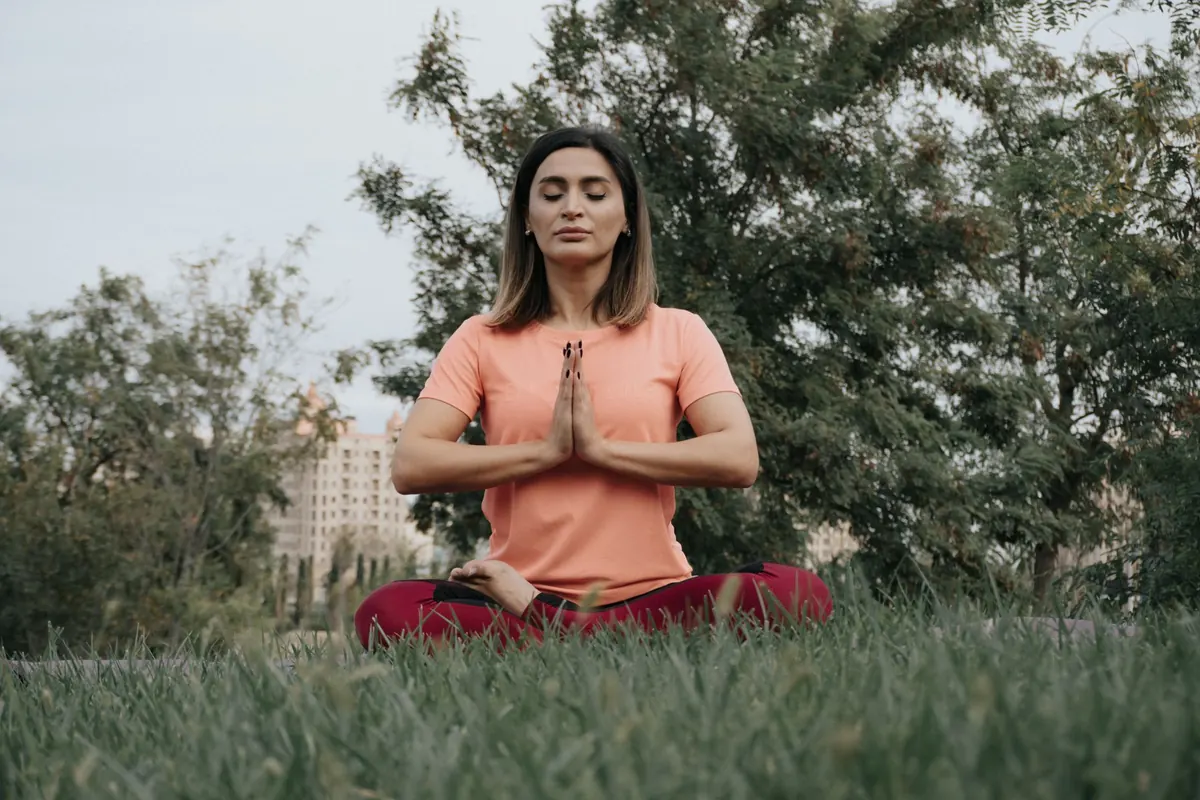
A wellness retreat in Cornwall in February is not the same experience as the same building in July. The light is different, the food is different, the timetable is different — and so, often, is the price. Choosing your season deliberately is the simplest way to end up with the break you actually wanted, whether that means long coastal walks and early morning swims, or a quiet weekend by a wood burner with almost nothing scheduled at all.
What follows is a season-by-season guide to how UK retreats change through the year, and what to keep in mind when you book.
Spring: lighter days, lighter schedules
From March to May, retreat centres shake off winter and start running again in earnest. Themes tend to lean towards resetting rather than pushing: gentle yoga, walking, sleep repair, nutrition, and the kind of detox programmes that would feel punishing in December but make sense when the days are lengthening.
Outdoor activity is the real draw. Bluebell woods, wild garlic foraging, coastal path walks and garden-to-table cooking all come into their own. Cold-water dips usually restart in spring, often with wetsuits and always with an experienced guide. Expect the weather to be genuinely unpredictable, so pack layers, waterproofs and boots you don't mind getting muddy.
Spring is also the season of the shoulder-season bargain. Early March in particular is quiet, and midweek breaks at established centres can be noticeably better value than the same dates a few months later. The exception is Easter and the bank holidays, when prices firm up and popular venues fill weeks ahead.
Summer: coast, long light and fuller timetables
Summer retreats are the most active and the most social. Timetables stretch from early morning practice to evening sessions, and much of it happens outdoors: sea swimming, paddleboarding, surfing, running, outdoor yoga on a headland, silent walks through heathland.
Where people go
Cornwall, Devon and Pembrokeshire dominate the surf-and-yoga end of the market. The Lake District and Snowdonia suit walking and fitness retreats. The Scottish Highlands and islands attract those who want space, silence and very little mobile signal. If you're heading west in July or August, do check on midges — they are a real factor on still, damp evenings.
What to watch
July and August are peak season, and pricing reflects it. School holidays push up both rates and demand, so booking three to six months ahead is normal for the best-known venues. If your dates are flexible, a Sunday-to-Wednesday stay is usually cheaper and calmer than a weekend. Ask about single occupancy and whether a solo room carries a supplement before you commit — it varies enormously.
Autumn: the quiet sweet spot
September to November may be the most rewarding window of the year. The crowds have gone, the light is soft, and the themes turn reflective: journalling, creative writing, silent retreats, breathwork, yoga nidra, and longer, slower treatments.
Outdoor programmes shift accordingly. Guided foraging walks are popular — go with someone qualified, and never eat anything you cannot identify with complete certainty. Sauna-and-sea-swim combinations work beautifully as the water cools. Coastal and woodland walks are at their best when the bracken turns and the beaches empty.
September still feels like summer and is priced accordingly. From mid-October, rates usually soften. October half term is the one week to book early if you need specific dates.
Winter: rest, warmth and short breaks
Winter retreats are shorter and gentler. Two or three nights is common, and the emphasis falls on rest rather than achievement: sleep programmes, restorative yoga, massage, menopause and burnout support, and long afternoons with a book. Food becomes warmer and more substantial — stews, roasts, spiced teas.
Outdoor activity doesn't stop, it just gets bracing. Bracing walks, cold-water swimming and sauna sessions are staples, and dark-sky areas such as Northumberland, Exmoor and the Brecon Beacons are wonderful for stargazing. Cold-water immersion carries real risks: go with a supervised group, build up gradually, and speak to your GP first if you have a heart condition, high blood pressure or are pregnant.
January and early February are the quietest and often the cheapest weeks of the year. New Year retreats are the exception — they sell at a premium and book out well before Christmas.
How the calendar shapes prices and availability
- January and early February: lowest rates, best availability, ideal for solo travellers who want quiet.
- Late February to May: shoulder-season value, with Easter and the bank holidays as the exceptions.
- June and September: the sweet spot — good weather, reasonable prices, fewer families.
- July and August: peak demand and peak pricing; book early and expect fuller timetables.
- Late November to mid-December: pre-Christmas breaks that are calm, atmospheric and often discounted.
- Midweek versus weekend: weekday stays are consistently cheaper and less crowded.
Prices also shift with room type, single occupancy, length of stay and how much is included. Always check whether treatments, transfers and meals are part of the rate, and read the cancellation policy carefully — retreat deposits are frequently non-refundable.
Booking well, whatever the season
Start with the season, not the venue. Decide whether you want long, active days outdoors or a short, warm, indoor rest, then look for places that suit that weather. A coastal yoga centre is glorious in June and bleak in a February gale; a country house with a sauna and a library is the reverse.
Then work through the practicalities:
- Book direct where you can, and ask what the quietest dates are — staff will usually tell you.
- Confirm exactly what's included: meals, treatments, transfers, equipment.
- Flag dietary needs, injuries and mobility requirements at the time of booking, not on arrival.
- Check the deposit and cancellation terms, and consider travel insurance that covers cancellation.
- Plan your journey — many rural venues are awkward by public transport, so ask about pickups from the nearest station.
Finally, be honest about what you want from the week. A packed summer fitness retreat and a silent winter weekend are both excellent choices; they are just different holidays. Match the season to your energy, and you're far more likely to come home feeling the benefit.
Photo: Couleur / Pixabay