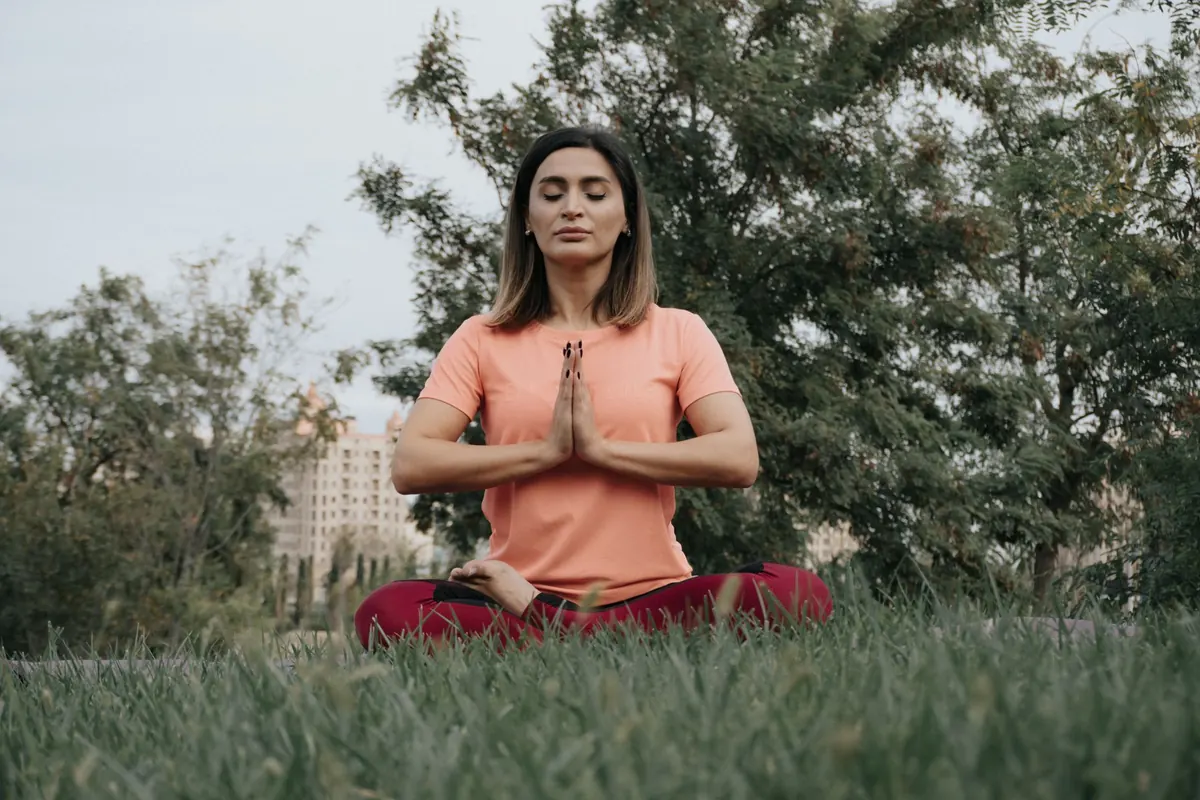
Most people find their first retreat in much the same way: a friend's photograph, an advert that lands at the right moment, or a weekend that suddenly looks free. Then they book, and hope. That sometimes works beautifully. More often it leads to a week of juice and enforced silence when what you actually wanted was long walks, good food and a proper night's sleep.
Choosing well is not complicated, but it does reward a little preparation. Here is how to work out what you need, what to look for, and what to ask before you hand over a deposit.
Start with what you actually want
Before you compare a single venue, spend ten minutes with a pen. What is the honest reason you are looking? Common answers include exhaustion that sleep has stopped fixing, a life change you need space to think about, a back that has seized up from desk work, or simply a wish to eat well and move daily without organising any of it yourself.
Your answer narrows the field fast. If you need rest, a schedule of 6am yoga and evening workshops will feel like more work than your job. If you are lonely, a silent solo trip may be the wrong medicine. If you want to build a habit, a week of teaching and daily practice will serve you better than a week of being pampered.
Write three sentences: what you want more of, what you want less of, and what would make the trip a failure. That last one is usually the most revealing.
Know the main retreat styles
Retreats use similar language but feel very different in practice. Most fall into a handful of camps:
- Yoga and movement – usually two classes a day with free afternoons. Good for beginners, provided the teachers offer modifications.
- Meditation and silent – structured sitting, often with no talking and no phones. Rewarding, but intense if you have never sat for long stretches.
- Walking and outdoor – coastal paths, hills, cold-water swims. Movement is built into the day, which suits people who dislike studios.
- Nutrition and detox – clean eating, juicing, sometimes fasting. Check carefully who is supervising, and how.
- Spa and rest – treatments, gentle classes and plenty of unstructured hours. Often the softest landing for a first trip.
- Creative and coaching – writing, photography, life planning. Expect group sessions and, sometimes, emotional intensity.
Many retreats mix two or three of these, so the label matters less than how the days are genuinely spent.
Read the schedule, not the brochure
Ask for a sample day, hour by hour. Then count how much of it is scheduled and how much is yours. How early is the first session? Are meals fixed? What happens if you skip a class? Good retreats let you opt out without a lecture or a disappointed look.
Group size shapes everything. Fewer than ten guests means more attention and less anonymity. More than twenty can be livelier and cheaper, but group sessions become less personal. If you are travelling alone, ask how many other solo guests usually attend and whether rooms are shared. Sharing with a stranger can be lovely or tiring; better to decide in advance than to find out on arrival.
Check the practical details too: bedrooms, bathrooms, food, phone and wifi policy, and how far the venue sits from the nearest town. A remote farm with no signal is either exactly the point or a genuine problem.
Check who is leading it
Look at the teacher or facilitator's training. Which school, how long the course was, how many years they have taught, and whether they hold current first aid training and insurance. Membership of a recognised professional body is a sensible signal, though it is not the whole story. Read their writing or listen to an interview if you can. You are choosing a person as much as a place.
Treat any promise to cure, treat or diagnose a medical or mental health condition with caution. Practices such as yoga, walking and meditation can support how you feel, but they are not a substitute for medical care. If you have a health condition, are pregnant, or take regular medication, speak to your GP before booking, and tell the organiser so they can adapt the programme.
Questions worth asking before you pay
- Can you send a full sample day, including meal times and free periods?
- How many guests usually attend, and how many come on their own?
- What is the room and bathroom arrangement, and is a single room available?
- How are dietary needs handled — allergies, vegetarian, vegan, alcohol?
- What happens if I am unwell, injured or unable to take part?
- What deposit is required, when is the balance due, and what is the cancellation policy?
- What insurance do you hold for the activities, and what should mine cover?
- How do you handle quiet time, phone use and alcohol during the retreat?
- Who exactly will be teaching, and what training do they have?
Ask for the answers in writing. Anything given only over the phone is easily misremembered by both sides.
Money, cancellations and the small print
Prices vary enormously, so compare like for like. Check what is included: transfers, treatments, equipment hire, single supplements and whether all meals are covered. Departure-day lunches and airport pickups are common extras.
Cancellation terms matter more than the headline price. Many venues keep the deposit, and some charge the full amount if you cancel close to the date. Travel insurance that covers cancellation is usually worth the modest cost. If a place pressures you with a "last room available" message, take a breath; reputable retreats will normally hold a place for a day or two while you decide. This is general guidance rather than financial advice, so read the terms carefully before committing.
Making your first retreat work
Keep the first one short. A weekend or three nights is enough to learn whether you enjoy this kind of holiday, and it costs you far less if you don't. Leave a buffer day before returning to work if you possibly can.
Pack layers, comfortable shoes, a notebook and a watch, and tell people at home roughly when you will be contactable. Expect a wobble around day two, when the novelty fades and whatever you were carrying arrives with you. That is normal, and it usually passes.
Give yourself permission to skip a session, sleep in, or eat alone. The point is not to complete the timetable; it is to come home with one habit you can keep and a clearer idea of what restores you. If a retreat delivers that, it has done its job.