Most people arrive at their first wellness retreat with one question they don't quite say out loud: what will I actually be doing all day?
The brochures show sunlit yoga decks and bowls of something green. They rarely explain the rhythm — when you eat, when you're expected to talk, and what happens if you'd rather sit something out. No two retreats run identically. A yoga week in the Cotswolds, a silent meditation retreat and a coastal spa break look very different. But most share the same arc: structured mornings, slow afternoons, early evenings. The point is to take decisions off your plate so you can properly rest.
Here's how a typical day tends to unfold, and where you have more choice than you might assume.
Morning: Movement Before Conversation
Some retreats begin with a silent sitting or short meditation before breakfast, usually around 6.30–7am. It's nearly always optional. If the thought fills you with dread, ask at booking what you'd be skipping, so you don't spend the week wondering.
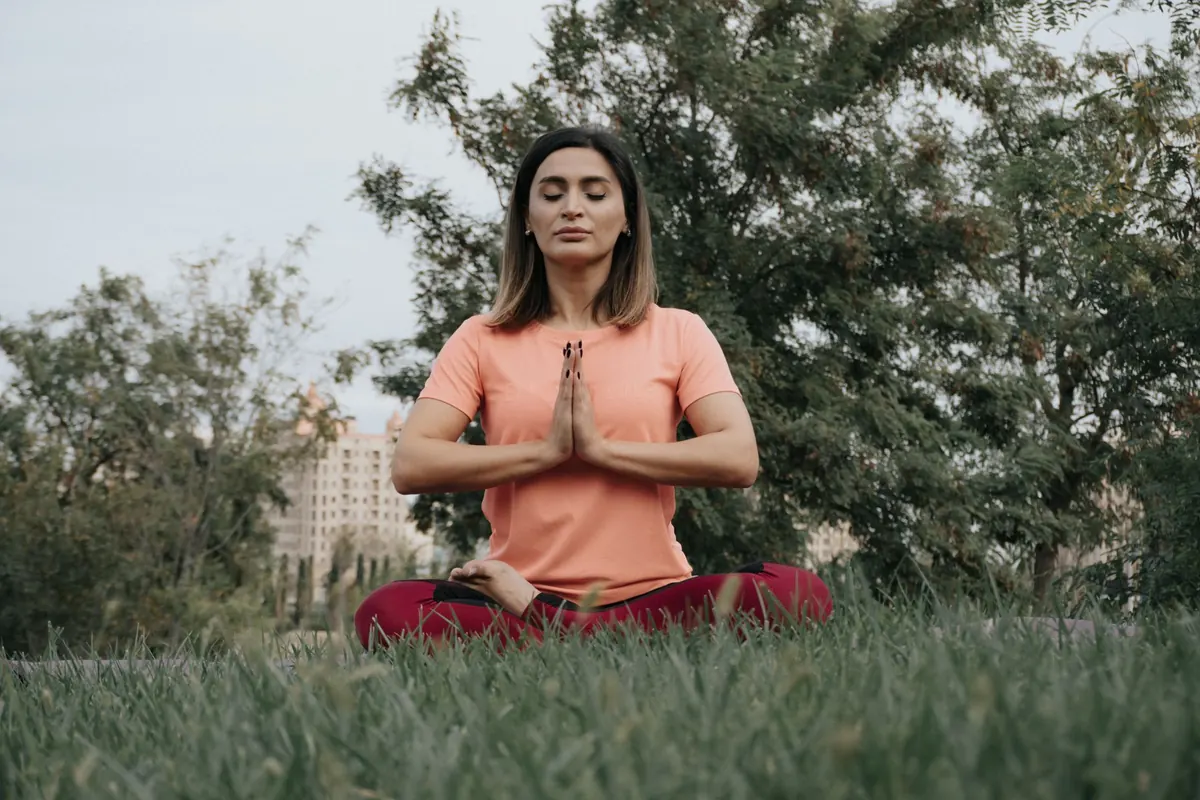
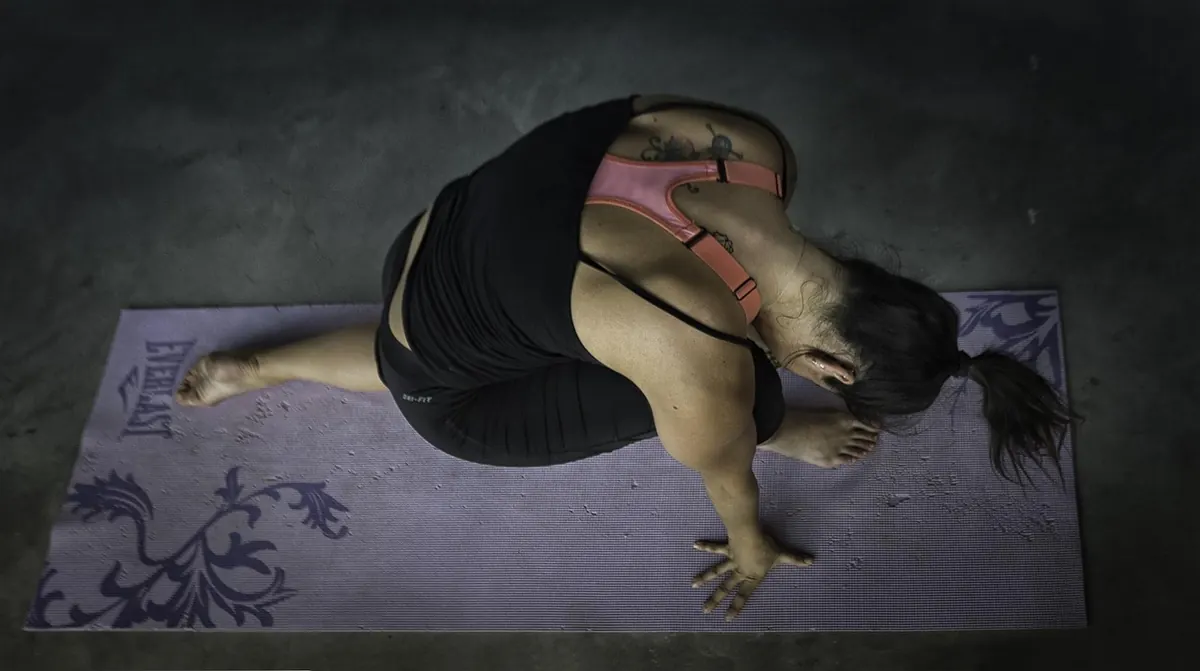
The main morning session is 60 to 90 minutes of yoga, or a blend of gentle movement and breathwork. It is rarely about performance. Teachers expect stiff hips, old injuries and complete beginners, and most will offer three variations of every pose without you having to ask. You'll be encouraged to drop into child's pose whenever you like — no one will comment, and nobody will remember by lunchtime.
What surprises first-timers is the quiet. Many retreats keep mornings largely silent, which means no small talk over the yoga mats and no introductions until later. It can feel awkward for the first ten minutes and quietly luxurious after that. If you're the sort of person who wakes up talking, this is the part that will stretch you most.
Breakfast and the Unhurried Middle of the Day
Breakfast lands somewhere between 8 and 9am, and it is usually generous rather than austere: porridge with seeds, eggs, fruit, good bread, real coffee. Retreat food has come a long way from the lentil stereotype. Most venues now cook properly, and many will ask about allergies and intolerances at booking — so tell them.
After breakfast comes the most variable block of the day. Some programmes run a workshop or a talk: journalling, breathwork, nutrition, sleep, cold-water confidence. Others simply open the morning for a guided walk, a swim, a treatment booked in advance, or nothing at all. Lunch is typically 12.30–1.30pm, and it's often the first meal where conversation flows freely.
Afternoon: Free Time, and Learning to Sit With It
This is the part people underestimate. A long, unstructured afternoon can feel like a gift on day one and a mild crisis by day three. There is no schedule to hide behind, no inbox, no errands. Restlessness is normal, and most teachers will tell you it's part of the process rather than a sign you're doing it wrong.
By the second afternoon, most guests stop trying to fill the time. That's usually when the retreat actually starts working.
Useful things to do with an empty afternoon: sleep without guilt, read something that isn't a screen, walk a familiar loop slowly, sit in a sauna, write three pages of nonsense, or book a massage. Useful things to avoid: checking work email, planning next week, and comparing your experience to the person who has been meditating since 2011. Some retreats also offer optional afternoon classes — a second yoga session, a craft workshop, a nature hike — so there's something to join if stillness feels too much.
Evening: Early Dinners and Deliberate Wind-Downs
Dinner is early, often 6–7pm, and lighter than lunch. Many retreats are alcohol-free, though a few serve a glass of wine on the final night; check before you book if that matters to you. Afterwards there's usually one restorative offering: yoga nidra, a sound bath, a guided meditation, or a group circle where people share how the day landed. The circle is the session most people dread and most people end up valuing.
Lights out tends to be early — 9.30 to 10.30pm — partly because the day starts early and partly because screens are discouraged. Many venues ask guests to keep phones in rooms or on silent, especially in shared spaces and at meals. If you need to stay reachable for family reasons, say so; no reasonable retreat will make that difficult.
What's Optional and What You're Expected to Do
The honest answer is that almost everything is optional except meals and basic courtesy. Still, it helps to know the difference between a suggestion and an expectation.
- Usually optional: pre-breakfast meditation, afternoon workshops, evening circles, additional yoga sessions, excursions.
- Usually expected: attending the main morning session, being present at meals, respecting silence hours and phone policies.
- Always negotiable: dietary needs, room changes, sitting out an injury, arriving late to a session.
Three questions worth asking before you book: How much of the programme is compulsory? What is the phone and Wi-Fi policy? and What happens if I want a day completely to myself? The answers will tell you more about the retreat than any photograph of a sunlit deck.
A Sample Day at a Glance
- 6.45am — Optional silent sitting or meditation.
- 7.30am — Herbal tea, quiet time, maybe a swim.
- 8.00am — Main yoga or movement session (60–90 minutes).
- 9.30am — Breakfast.
- 10.30am — Workshop, guided walk, or free time.
- 1.00pm — Lunch.
- 2.00–5.00pm — Free afternoon, treatments, rest, optional class.
- 5.30pm — Restorative or yin yoga, or nothing at all.
- 6.30pm — Dinner.
- 8.00pm — Sound bath, yoga nidra, or group circle.
- 9.30pm — Wind down. Lights out early.
Read that list again and notice how much white space there is. That's the point. A wellness retreat isn't a boot camp with better snacks — it's a week or a weekend where someone else holds the structure so your nervous system can finally stop bracing.
Go in expecting to be bored for an afternoon, stiff in the hips, and slightly awkward at the first group circle. Go in knowing you can skip things. And go in with an open mind about the early nights, because by day three, most people are sleeping better than they have in months.
Photo: marcoreyes / Pixabay