There is a particular kind of tiredness that comes from a week of small interruptions: the phone buzzing through lunch, a deadline shifting sideways, someone needing something at nine in the evening. A spa day sounds like the cure, but booking one takes planning, money and a free Saturday you do not currently have. The useful truth is that most of what makes a spa visit feel restorative is not the building. It is the sequence — warmth, quiet, water, scent, and a stretch of time where nobody can reach you. You can build that at home in an afternoon for the price of a few groceries.
Start With Twenty Minutes of Setting Up
The ritual begins before the bath runs. A spa feels calm because everything has been prepared by someone else: towels within reach, water poured, no decisions to make mid-soak. You are that someone. Give yourself twenty minutes to set up, and the rest of the time feels unhurried rather than improvised.
- Two clean towels, plus a robe or an oversized t-shirt that you do not mind getting oil on.
- A candle or two, and a lighter you can actually find.
- A large glass or jug of cold water, within arm's reach of the bath.
- Your phone in another room, on Do Not Disturb. Not face down beside you. Another room.
- A playlist you will not skip through, or nothing at all.
- Something small to eat afterwards — dates, almonds, a slice of toast.
Tell anyone you live with what you are doing and roughly when you will be finished. Vague intentions to "have a bit of quiet" get interrupted. Named plans do not.
The Bath That Actually Restores You
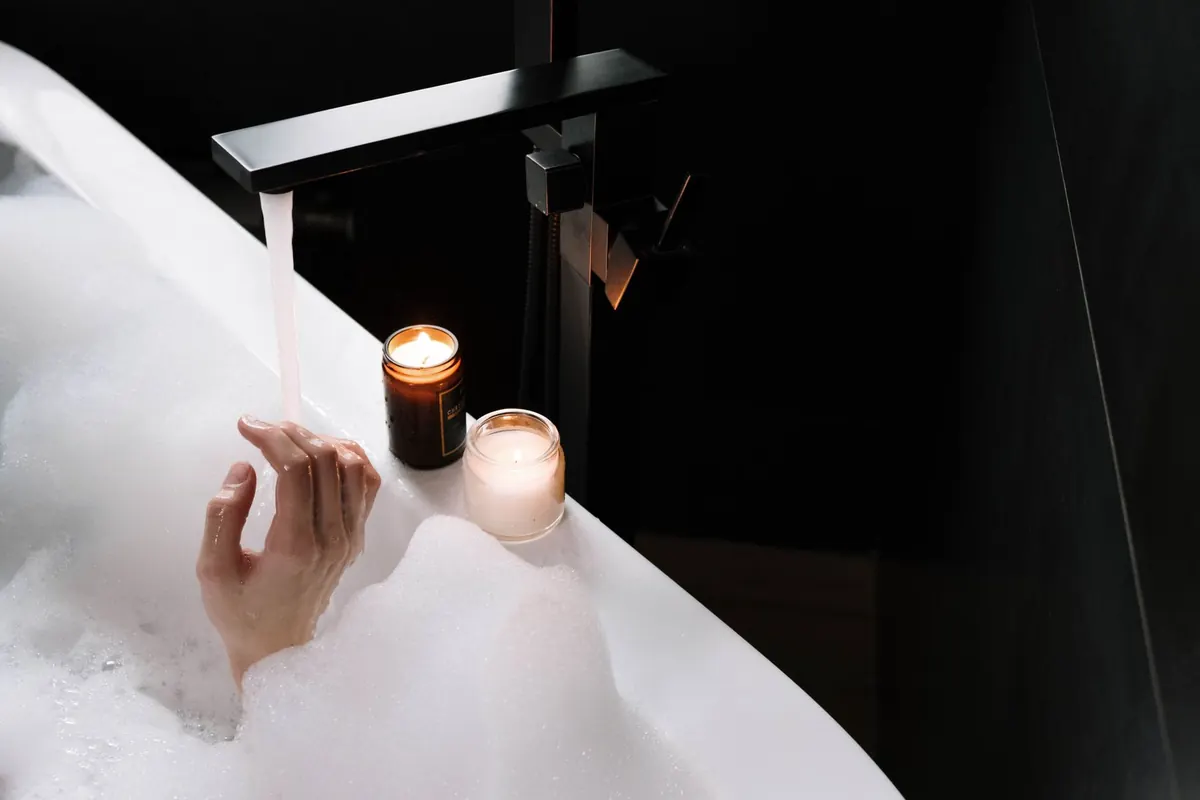
Run it hot enough to feel enveloping, not scalding — if you would not put your hand in comfortably, add cold water. Two generous handfuls of Epsom or magnesium salts make the water feel silky and give the ritual a sense of occasion. Add essential oils sparingly: a few drops of lavender, bergamot or sandalwood stirred into a spoonful of carrier oil or a splash of milk, never neat into the water, as neat oils can sting.
Then leave it alone
Twenty minutes is plenty. No podcast, no scrolling, no answering "just one" message. If sitting still feels strange at first, that is normal; the strangeness usually passes around the ten-minute mark. When you get out, rinse briefly under cooler water, pat dry rather than rubbing, and moisturise while your skin is still slightly damp, which locks in more than applying it to dry skin.
Wrap up and sit somewhere comfortable for ten minutes with your water. This is the part people skip, and it is the part that makes the difference between a bath and a rest.
If you are pregnant, have a heart condition, low or high blood pressure, or feel faint in heat, keep the water cooler and the soak shorter, and check with your GP or midwife first. Skip alcohol and hot baths together, and get out slowly.
Scrubs, Salt and Skin That Feels New
You do not need a shelf of products. A scrub you mix yourself takes about a minute and works as well as most things you can buy.
- Mix three parts sugar or fine salt with one part oil — olive, sunflower or melted coconut all work.
- Add two or three drops of essential oil if you like, and stir.
- In the shower, on damp skin, work it in slow circles over legs, arms and shoulders. Gentle pressure; this is not scouring.
- Rinse, then moisturise within a few minutes of towelling off.
Once a week is plenty. Avoid freshly shaved skin, cuts, sunburn and your face — a sugar scrub is still too abrasive for it. If your skin is reactive or you have a condition such as eczema or psoriasis, ask a pharmacist or GP before adding scrubs to your routine.
Feet, hands and the last ten minutes
Soak your feet in a bowl of warm water with a spoonful of oil, then go over the heels with a pumice or file. Dry properly between the toes, use a thick cream and put socks on. For hands, warm a little oil between your palms and massage each finger, then wrap your hands in a warm towel for five minutes. It sounds fussy. It is the bit people remember.
Five Minutes of Breathwork
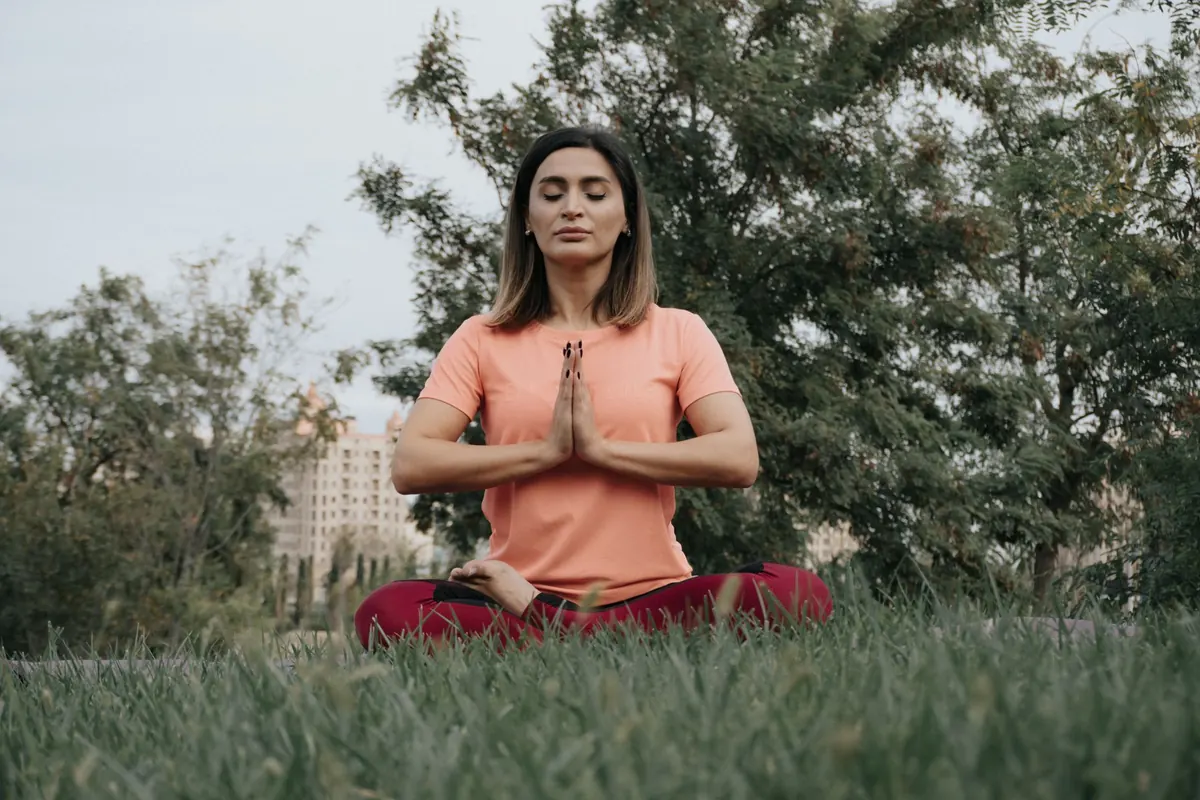
Breath is the quickest way to shift a wired feeling, and it costs nothing. Sit down — not while driving — and try one of these:
- Extended exhale: in through the nose for a count of four, out through the nose or mouth for six to eight. Ten rounds.
- Box breathing: in for four, hold for four, out for four, hold for four. Repeat for two minutes.
- The double inhale: two short inhales through the nose, one long slow exhale through the mouth. Three to five rounds.
Stop if you feel dizzy and return to normal breathing. Do this at the end of your bath or in bed, when the day is already slowing down.
Boundaries Are the Real Luxury
None of the above works if you spend it replying to messages. Boundaries are the part no candle can replace, and they need saying out loud.
- "I'm offline until eight — I'll pick this up then."
- "I'm mid-something. Can it wait until the morning?"
- Put a block in your calendar, mark it busy and turn notifications off for its duration.
- At home: "I'm taking an hour. Door shut, headphones on, unless it's urgent."
- Decline the extra thing without a paragraph of explanation. A short no and an alternative time is enough.
Close the Day Slowly
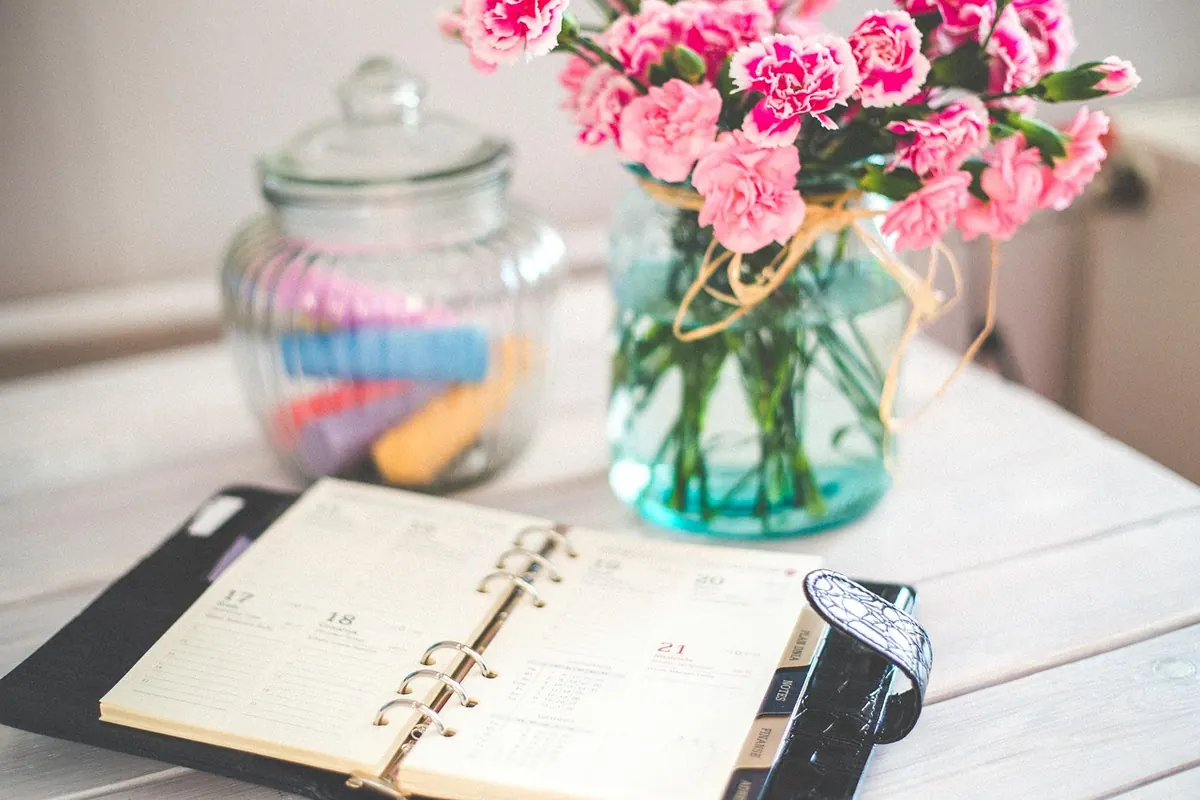
Dim the lights an hour before bed. Warm drink, screens away, a notebook and three lines: what today held, one thing for tomorrow, one thing you are glad about. Then five minutes of stretching — neck, shoulders, hips — and a cool, dark bedroom. If sleep does not come immediately, that is not a failure of the routine.
Keeping It Going in a Busy Week
Not every week allows two hours, and that is fine. The fifteen-minute version works: a hot shower with a scrub, five slow breaths, moisturiser applied properly rather than rushed, phone in another room. Same sequence, smaller dose.
Keep the pieces together in one basket or box — salts, scrub, candle, eye mask, a decent hand cream — so setting up takes minutes rather than a search. Put a ninety-minute slot in your calendar once a month and treat it as fixed. Friday evenings work well for many people, because the week is closed and the weekend has not yet started demanding things.
If you find that rest never quite restores you, that you are persistently exhausted or low, that is worth a conversation with your GP rather than another bath. Self-care rituals support good health; they do not replace proper care.
Photo: Ron Lach / Pexels